
Friday, January 22, 2016

How to Budget Wisely for Fundraising Success


Creating a budget is essential for any project, and that is just as true when it comes to fundraising and budgeting in parent-teacher associations (PTA). PTA groups are designed to help enrich a child’s educational experience by providing support, encouragement and funds to supplement the classroom. How should PTA’s wisely and responsibly create a budget for the year? Read on to see what steps PTA’s should consider when budgeting funds.
Effective budgeting means mindful thinking. Create a list of goals and ambitions for the year. Establish what is financially feasible, and develop a written portfolio, a detailed spreadsheet, a map of financial funds and goals - whatever it is that your PTA finds necessary to meet your financial goals. Whether for reception funds at concerts, field trip funds, or for special group interests, you will want to be well prepared for the year’s activities and needs.
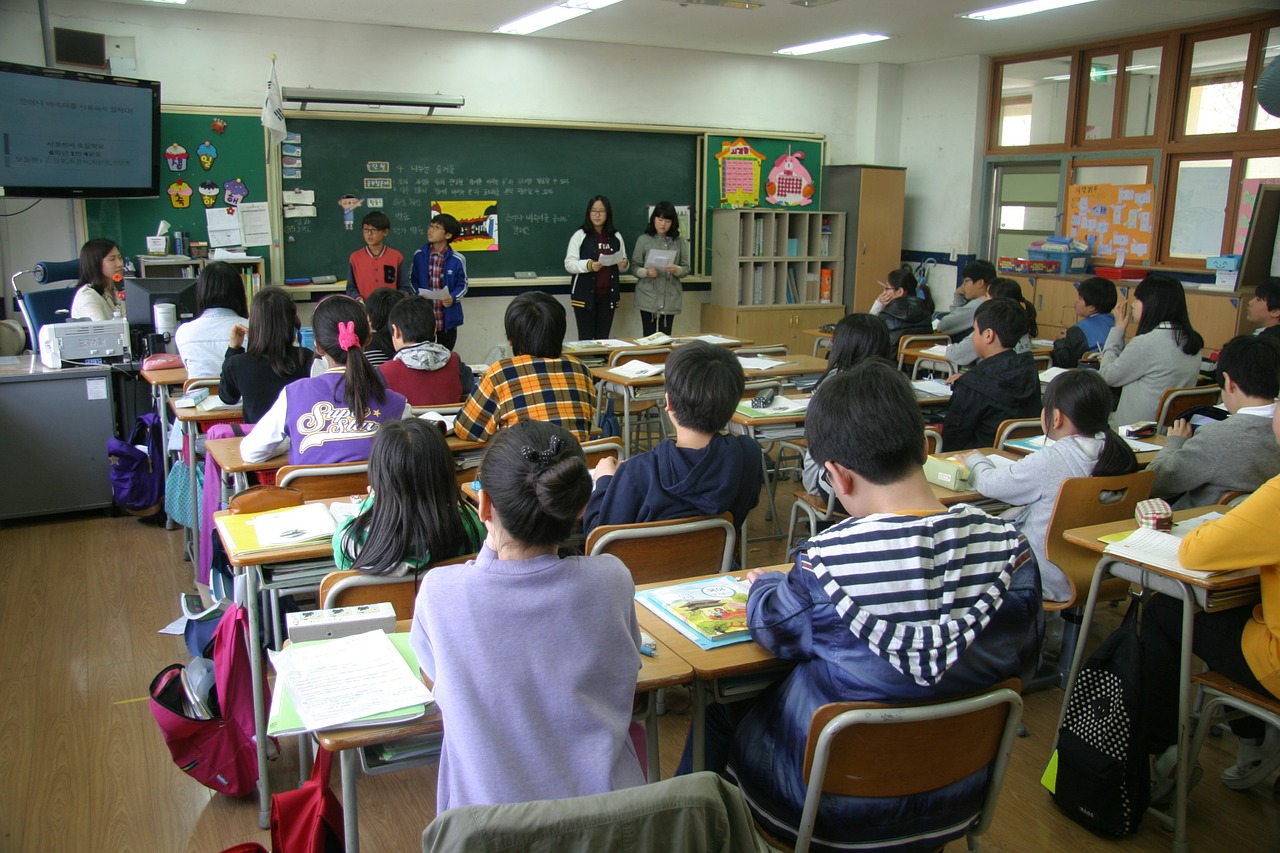
Learn from last year’s successes and mistakes. Study treasurer’s reports and budget from previous years to determine how well the budget met the association’s needs. Maintain connections with organizations your PTA partnered successfully with last year to ease any planning processes for the current year.
Keep the necessary, trim the non-essential. Determine projected financial needs while taking into consideration what funds are needed for approved programs, projects, events, and development. Develop trustworthy sourcing for these funds to meet all the requirements necessary.
Begin forming a budget. From here, a PTA can begin developing a budget, one that includes allocated expenditures for the remainder of the year, existing funds, and plans for obtaining funds. Make sure to include ample adjustment room funding as well, otherwise known as an emergency fund.
Don’t resist the urge to update. Whether an event went more successfully than you imagined or an unfortunate emergency arose, return to your budgeting process and readjust to make the most of your funds. Keeping a watchful eye on one budget can mean allowing for more space and leverage on another, so don’t assume funding cannot be moved around.
Mindful and effective budgeting can help you take your goals to the distance. For more resources, check out these articles from Parent Teacher Organizations Today for more information.

Wednesday, December 2, 2015

Fundraising Success is Measured in More Ways Than One


Fundraising goes beyond catalogues and order forms, so measuring the success of your efforts shouldn't be based solely on the amount of money raised. When starting your fundraiser, consider the success and types of past fundraising efforts, incoming generations of students, your community and socio economic environment and the user-friendliness of your fundraiser. These factors combined will help you determine how successful your efforts are and will also help you identify areas of improvement for future initiatives.

A Learning Experience
Although a fundraising event may not be profitable the first year, it doesn’t mean that it was not successful at all. Perhaps you tried a different strategy and it wasn’t as successful as your first. Making a profit is a learning experience. You have to find the knacks that work for you and your team along the way. Through experimenting with different types of fundraisers, you will be able to determine the preferences of your audience.

Incoming Grades
The culture of incoming grades can determine the success of an event. They can either “make or break” a fundraising event. It is evident how different cultures’ grades can be - some have involved young minds ready to participate in all schools events while others struggle to get students involved. The key idea is to make your students want to be involved. The more inclined they are to support a cause they are passionate about, the more successful your event will be.

Community Involvement
The socio-economic status of community members around you can play a role. Students rely on the support of their community to fundraise for schools. You must find a cause that a majority of people will want to support. You will find that most groups are unable to discover which fundraisers work best without first deciding which packages intrigue supporters.

Make sure to investigate the timeliness of your event. If other fundraising activities are happening in town at the same time, it can be detrimental to the success of a fundraiser. Most people are only able to support so much at a time, so make your event the one they want to support.

User-friendly = Supporter-friendly
Was the ease of the program you chose user-friendly? Most companies sell the packages and assign you to complete everything else. You need to find a company that cares about your success. One that has a sales representative that strives to make your event as successful as you dreamed it would be.

Meadow Farms Fundraising offers an exceptional staff to help make your event successful. We are here to provide an easier, yet rewarding experience. Meadow Farms offers nine fundraising event packages - something for everyone. When you choose Meadow Farms Fundraising, you can rest assured that your campaign is being supported by an elite team of professionals, dedicated to providing you with the best service in our industry.

Wednesday, August 12, 2015

How to Save Big on Back-to-School Shopping

It is that time again; September is fast approaching. It is time to review your child’s back-to-school checklist and find all of the necessary items for the upcoming school year. Shopping for school supplies can be time-consuming and quite spendy. We have compiled a few tips on saving big while school shopping:

notepad-411030_1280.jpgSearch Around the House
Before going school shopping always search your home for items. You may be surprised on how many leftover items your child has from the previous school year. This will help you save money and will prevent you from purchasing unnecessary items.


Stick to the List
When shopping for school supplies it is very important to stick to what is on the list. Often times, especially when shopping with kids, parents will buy extra and unnecessary items. Ask yourself, does my child need the magnetic locker pencil organizer or will a pencil pouch do the job? When it comes to items you buy every year, simpler is always better.


Buy the Most Important Items First
Make sure to always buy the most important supplies first. This will ensure that you are getting the items your child needs while preventing unnecessary spending.


google-485611_1280.png
Shop Online
Check sites such as Amazon, Craigslist, and Etsy. They have lots of great deals this time of year on supplies. Often times, these items will come in bulk as well, which means you will be getting more while saving.

Be Thrifty
When buying items such as backpacks and clothing, check out you local thrift stores. Thrift shopping is the best way to find bargains and still get quality items; you never know what treasures await!


paper-571938_1280.jpgBuy Standard, Then Personalize
When school shopping kids always want the coolest folders and notebooks with pictures and sayings on them. But in reality, these are the most expensive folders and notebooks you can buy. A cute and fun idea would be to buy plain colored folders and notebooks and have your child spice them up using different crafts. This also lets your child be creative and is a great opportunity for bonding time for the two of you. Check out this great tutorial for some inspiration!

So when school shopping this year, make sure you follow the tips above. You will save more money and still get the items you need. In the meantime, check out our website to learn about the various fundraising campaign choices we offer. We wish you the best of luck this school year!

Wednesday, August 5, 2015

Healthy Bodies and Active Minds: Educational Summer Activities for Kids

School’s out, but that doesn't mean learning has to stop with the summertime sunshine. Keep your kids’ brain and body active, entertained and constantly learning with these educational summer activities for kids.
Read, Read, Read
Nothing soars the imagination further than reading. Whether your child is interested in science, nature, fairy tales, or the fantastic, encourage them to read voraciously. Many libraries even provide the option for you to borrow ebooks from their collection so that books can be sent straight to your iPad or Nook. The ability to read is something many take for granted, so encourage your child to explore different worlds of fiction and nonfiction to improve their comprehension and writing skills. Imagination Soup has an excellent list of new and classic books categorized by genre and age for children of all ages.
Write Journals and Stories
Along with reading, writing will help kids explore their creative imaginations. Have your child keep a summer reading journal where they can write about their own experiences. You can also encourage them keep a notebook and create their very own stories. Developing characters and plots will help them develop their comprehension and become better writers, and regularly writing can only help improve their spelling and handwriting.


Traveling Outdoors
Your child doesn’t have to be a Cub Scout or a Girl Scout to learn about the world around them. Take advantage of every sunny and beautiful day there is this summer outdoors with your family. Whether on a family vacation or a nature hike in your local hometown, have your kids take a keener look at nature and encourage their interest in the great outdoors. Become expert bird-watchers, have them learn how to identify animals, plants, and trees, or go geocaching. See if your local museums and nature parks have educational opportunities for kids. Often times, these events and opportunities are led by expert volunteers and cost little, if anything at all.


Homemade Science Projects
Here’s a simple kid formula: messy=fun. Whether in the garden or in the kitchen, experimental science projects can engage your children’s cognitive and motor skills. Try out recipes to teach about chemistry, create sensory bins with materials from around your house, or create a compost garden bin to learn about the cycle of life. Many blogs, such as Modern Parents, Messy Kids offer STEM-related kitchen science experiments that are parent-tested and kid-approved.


Get Active
It’s just as important to exercise your child’s mind as well as their bodies. First Lady Michelle Obama is leading the national Let's Move initiative to encourage a healthy lifestyle. You can help your child be the healthiest version of themselves by having them engage in summer league sports, teaching them about healthy food or healthy bodies, and encouraging plenty of time away from electronics and technology to embrace their own backyards, playgrounds, and parks. Kids learn best by example, so encourage the whole family to get active.

Word Problems, Brain Teasers, and Puzzles, Oh My!
Research has shown that children lose between two to three months of grade level equivalence over the summer, with math skills and theoretical thinking suffering the most. With teachers typically spending the first month and a half re-teaching old material, you can help kid your child on track and ahead of the curve by having them engage in regular word problems, puzzle solving, and challenging brain teasers. Whether your choose to do this with worksheets or real-world scenarios, a little bit of work every week can help keep your kids active and engaged to help keep their math, science, and language skills sharp.


You don’t have to spend buckets of money on expensive summer camps, lessons or video game systems to keep your kids safe and entertained. There are an infinite amount of ideas and activities to entertain and educate kids of all ages, genders, and interests this summer.

Friday, June 19, 2015

Healthy Springtime Snack Ideas

Blog cover.png
Robin Williams once said “spring is nature’s way of saying, “lets party!” You can use the change in seasonal fruits and vegetables to help liven up your children’s taste buds and offer them exceptional nutritional value in their springtime snacks.
blueberrry.jpg
Flickr Creative Commons: Photo by @rsseattle
Blueberries are just coming into season and the benefits that come with them are amazing. They are known to soften skin, fight cancer and they are anti-inflammatory. There are a million ways to incorporate them into your child’s diet. Chose an amazing, all natural, healthy and raw ingredient recipe to ensure the care of what goes into your children’s bodies. Blueberry Muffin Energy Balls only have six ingredients. They are easily portable, so you could put them into a lunchbox or eat them on the go.
Homemade fruit roll ups are another great way to utilize all the fruits coming into season this spring. You can use any type of fruit you would like, but some seasonal suggestions include peaches, apricots or pears. This recipe may take a little more time, but can be stored for up to a month so a little preparation goes a long way. Mix fruits to take your children’s taste buds to a whole other level.


Sometimes the way a snack is packaged is all that matters to encourage little ones to eat fruits and vegetables. Butterfly snack packs are a great way to package any healthy child treat! Others have filled them with grapes, cereal or blueberries, but the possibilities are endless.
Granola Bars are a favorite of many people- big and small. Our heart-healthy granola bars are super easy to make and you’ll feel good sharing them with your loved ones. They include a lot of great fiber too!
These snacks are portable & nutritious! They also could be made in advance for healthy treats all season long. Try one today- happy springtime snacking!

Sunday, May 24, 2015

5 Things You Need to Know Before Your Color-A-Thon:


Color-A-Thon is a great event for students and adults of every age. This 3K race/walk is a color craze that allows your group to have a successful fundraiser that benefits your school. Before you start, check out these 5 things you must know before you start your School-A-Thon event planning!

1. What is a Color-A-Thon? Color-A-Thon is a colorful fundraising event that the entire family can enjoy. Students are not required to go door-to-door when fundraising. A School-A-Thon representative will walk you through the entire event set up process.

2. Who Can Participate? Everyone is able to participate in a Color-A-Thon Event- this is a fundraiser that the entire family can enjoy together. Even if you’re not into running, you can walk, skip or strolldown through the course!  

3. What Should You Wear? Not sure what to wear for the Color-A-Thon race? Color-A-Thon recommends that you wear a bright white so can show off your tie-dye shirt at the end of the course. We recommend coordinating the rest of your outfit with neon socks, headbands or wristbands. If you are with a group of people, try organizing a theme for everyone to follow.  

4. What is the Color Blast Dust Made of?
Color-A-Thon has an eco-friendly, non-toxic, plant-based powdered dye that is washable. Although, if you have a participant in your group that has asthma or dust allergies, Color-A-Thon recommends that you limit their exposure to the dust.  

5. Are there different types of Color-A-Thons? Yes, there are two different types of Color-A-Thons; choose from donation-based or entrance fee-based events. When you speak to your School-A-Thon planner, they will be able to find the best event for your organization.

To get started, pick your event date, plan, promote and have fun in full color! For more information about Color-A-Thon, visit them on Facebook.

Tuesday, February 10, 2015

Valentine’s Day Treats for Students

Teaching about Valentine’s day is important, and thinking of appropriate gifts for students can be tricky. Instead of buying generic cards treat your students to homemade ones. Need some ideas? Here our some of our favorite clever cards, perfect for the classroom!

Photo from Parents.com
 1. Catch of the Day: Make these treats of-FISH-ial by using Swedish Fish and printing out small fishbowl cut outs. This may not only be a great gift to give your students, but it may even be a craft all your students can create together! Use small clear plastic bags so they are easy to take home!


Photo from Beg Borrow Steal
2. Flutter Pops:These adorable butterfly candies are a quick and easy treat! Simply just cut out wings using construction paper, then in the middle of the wings create a slip through pocket where you can stick a tootsie pop!

Photo from Mother Nature Network
3. Cupid’s Arrows: Using a straw, red heart gummies, Big Red gum and some red pom poms assemble these arrows easily with some scotch tape! This is great for kids who want something other than the usual hearts and flowers for Valentine's Day.

Photo from Teaching My Friends!
4. Valentine’s Bookmarks: These are the perfect gift for teachers who do not feel comfortable giving out candy. Using a paint swatch that has multiple colors, hole punch each color with a heart shaped punch out tool. Don’t be afraid to use multiple color swatches as well!

Instead of paper valentines day cards this year, give one of these unique DIY ideas a chance in your classroom! It’s easy for children to get carried away during your Valentine’s Day party, but these can create an easy going atmosphere in any classroom!

Friday, January 30, 2015

Kid-Friendly Game Day Snacks

Excited for the big game this weekend? We are. Score a touchdown with your family and friends this weekend with one of these simple snack ideas!

  • Macaroni and Cheese Cupcakes: Mac & Cheese may be a traditional dish, but these finger foods from Framed Cooks will appeal to any sports fan or cheese lover. With a few simple ingredients and even simpler instructions, you and your child will feel victorious with this game ready recipe!
Photo from Framed Cooks.

  • S’mores Puppy Chow: Most of us have heard of the original puppy chow, but this Sunday put a twist on it! Pop Sugar’s S’mores Puppy Chow will still satisfy any child (or grownup) who has a sweet tooth, while bringing the flavor of a campfire favorite during the winter months. The best part is that you and your child can bond while making this.  
Photo from Sally's Baking Addiction

  • Football Veggie Tray: For those looking for a HEALTHY and CREATIVE snack, this football veggie tray from Creative Kids Snacks is a must! The field is lined with celery, spectators are a variety of carrots and peppers, and you can even throw string cheese and pretzels onto the dish. Have your child try creating the Patriots logo on the center of the field!
Photo from creative Kids snacks

  • Quarter Pup: Be the real MVP of your party with this idea! These Quarter Pup finger food snacks from Hillshire Farms will be a popular snack item at the table because of their appearance and taste. When you and your child are preparing these snacks, make sure you have them put their players favorite number on the jersey! 
Photo from Yumply

  • Patriots Rice Krispies: If you are a true Patriots fan, you will score big points with these gooey snacks from Two Sisters Crafting. Let your little one help out by mixing the treats. After, your child can help put their favorite players number on these snacks to feel more personable.

Photo from Two Sisters Crafting

Try one of these ideas or maybe all! These different recipe ideas are kid-friendly and crowd favorites during game day! For more game day recipes, crafts and ideas visit our Pinterest board!

Thursday, December 18, 2014

Five Ways Your Child Can Give Back During the Holidays

The Holiday season is upon us once again. This year, teach your child the principle of giving to others. Remind them that you do not only give presents and gifts to family members, but you can also give back to the community as well. No matter what age, it is always a good time to teach your children about the importance of giving.

1. Donate gently used clothes
Lets face it, kids grow so fast that sometimes their closet can’t even keep up with them. This winter, think about families who are in need and donate your childs old winter jackets, hats, mittens or snow boots to families with smaller children or local second hand stores. You and your child can go through their closet and find older articles of clothing that may be snug and donate them.

2. Toy Recycle
Not only are winter clothing items a popular item to donate during the Holidays, but toys are as well. Consider having your child weed through their toys they don’t play with any more. If your child has trouble giving up toys, remind them that there are children less fortunate than themselves who would love to play with some of your child’s older toys. Second-hand stores are a great place to begin, or think about donating them to a local daycare.

Flick Creative Commons: Photo by davidd


3. Give Back to a Local Animal Shelter
We enjoy supporting local, so we want to suggest reaching out to an animal shelter in your community. If your child is an animal lover, have them get crafty and create fleece tie blankets for the animal shelter. If you have an animal at home and have leftover bags of unwanted food, make sure you bring those into the shelter as well. If you are looking for more donation ideas, animal shelters usually have a list of needs on their websites.

4. Operation Give
Have kids create their ideal stocking and donate it to the Operation Give Stocking Campaign. This program helps soldiers overseas receive stockings while they are away on duty. According to their web page, typical things that are put into these stockings are toothbrushes, reading books, candy or cookies, sunscreen, etc. Don’t be afraid to think outside their ideas and create some more personal gift items, or have your child write a letter to thank them for their service!

5. Bake for Community Service People

Let your child know that not everyone is able to be home during the Holidays. Firefighters, law enforcement officers and EMTs still serve and protect the community, even on Christmas Day. Have your children bake and decorate cookies for these departments. Wrap them up and have them deliver these tasty treats themselves to see the good work they put forward in action.


Flickr Creative Commons: Photo by Erik (Hash) Hersman
 
Here at Meadow Farms we know that donating and volunteering are two important factors that keep a community strong. Start your family on track to be an active giver in your community this holiday season with one (or more!) of these ideas.

Monday, November 24, 2014

Ways to Get Your Child Involved WithThanksgiving


Flickr Creative Commons:Photo by woodleywonderworks

Thanksgiving is a time to spend with friends and family and be thankful for all the blessings in our lives.

This Thanksgiving, get the entire family together, and not just at the dinner table. Take away some of your stress Thanksgiving Day and have your child get involved in the kitchen! Almost all ages can help with kitchen prep, decorations, table setting and entertainment on Thanksgiving Day.

These eleven different ideas can add more meaning and eliminate chaos from your Thanksgiving dinner.


Age five and Under
Six through nine
Ten through twelve
Thirteen and older
Tear, Shred and Shuck: Instead of having your child work with knives, let them use their hands! Give your child tasks like washing potatoes, tearing bread for stuffing or shucking corn on the cob!
Table Etiquette: Teaching dining etiquette at a young age is never a bad idea. Here is a great video that shows how to set a table and other dinning etiquette skills!
Create Décor for the Home: Prior to Thanksgiving give your child Thanksgiving crafts that add a little extra flare to your home! Find thankful turkey crafts on our Pinterest page.

Go Shopping Together: Once you’ve made your shopping list, show your child different ingredients and differences between some foods in the store (yams and potatoes can be confusing). If you’re able, purchase local vegetables at the farmers market and encourage your child to ask the vendor questions! 
Put them in Charge: Give your child more responsibility by putting them in charge of a dish that needs constant attention like basting the turkey!
Just dough it: If your family is making homemade pies, let your child roll the pie dough out early Thanksgiving morning. Later on in the day, let your child organize the dinner roll dough on a cookie sheet.

Stage a Dinner Theater: Thanksgiving is not just about food and football. Have your pre-teens act out the first Thanksgiving dinner in a play for entertainment while eating.
Measure their Math Skills: Challenge your child to show their math skills with a measuring cup set. During this, let them know the importance of proper measuring and the consequences that you could have!
Teach Kitchen Safety: With age comes responsibility. Show your child the correct way to hold a kitchen knife, and how to handle raw foods. Remember to teach the importance of handwashing in the kitchen, as well!
Create a Catering Company: Have your child come up with a plan before Thanksgiving dinner. Let them plan the dishes and plan out the prep time as if they were their own catering company.
Try Something New: Include your teenager on meal planning by having them find a new recipe that appeals to them. These 13 recipes are kid friendly and put a twist on original Thanksgiving dishes.
Encourage your teens to create their own alterations to dishes like adding cheese to potatoes!